Blog

Helpful Tips On Elderly Foot Care

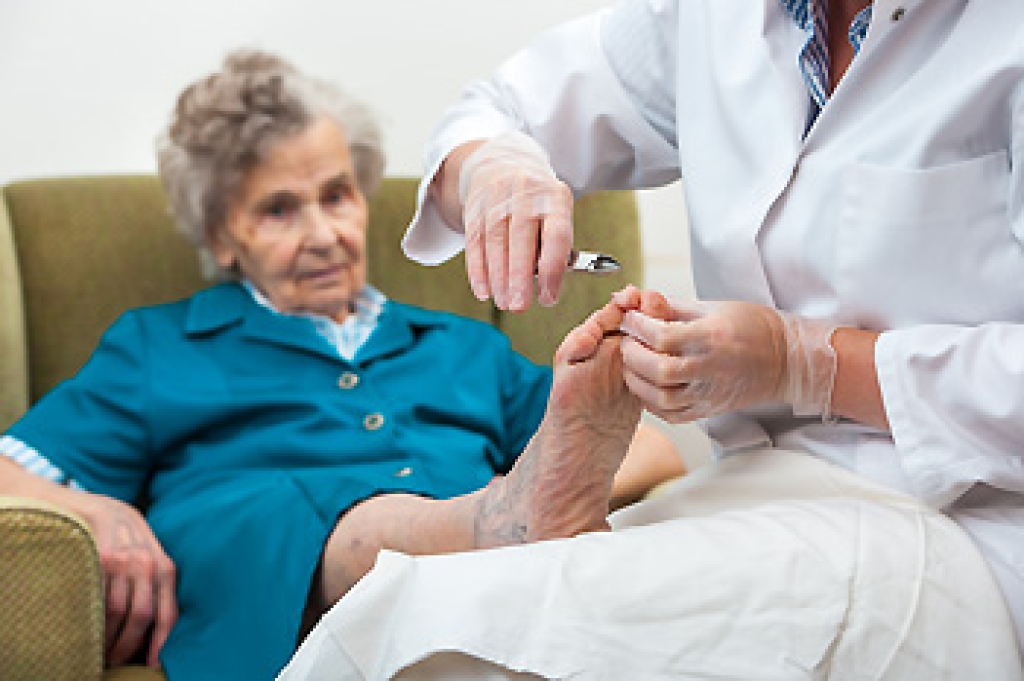
Research has shown the importance for elderly people to properly take care of their feet. It may be difficult for seniors to bend down to trim their toenails, and they may benefit from having a caregiver or a relative help them accomplish this. If the patient is diabetic, any cuts, scrapes, or wounds on the feet need to be treated as quickly as possible. This can be helpful in preventing any infections from developing. Additionally, wearing socks that fit properly may be helpful controlling existing circulation conditions. The feet may change size as the aging process occurs, and it is suggested that the  feet get measured regularly. This will help in determining the correct shoe size that will be comfortable to wear. Elderly patients may find it feels good to frequently stretch their feet, and this may benefit the overall health of the feet. If you would like additional information about how to help geriatric patients properly care for their feet, it is suggested that you consult with a podiatrist.

If you need your feet checked, contact one of our podiatrists of Foot & Ankle Institue. Our doctors will attend to all of your foot and ankle needs and provide you with quality treatment.

Geriatrics and Podiatry
When people age, some common issues that may occur are bone density loss, dry skin, poor circulation, and rough brittle nails. These issues may also affect your foot health if the necessary steps are not taken to alleviate the problems.

It is important to take care of your feet because feet that are injured or diseased can affect your overall health. Having painful feet hinders your ability to do daily activities or may decrease your willingness to do the things that you need to do.

Visiting Your Geriatrician
As we age, health problems become more likely, so it is essential to visit your doctor for check-ups to ensure that you are doing the best you can to take care of your health. It is recommended to check your feet frequently for any possible cuts, bruises, swelling, corns or any other irregularities. 

Taking Care of Elderly Feet
Cracked or dry feet can be treated by applying moisturizer often. It is also important not to wear old socks because the older the sock is, the higher the possibility there will be that there is bacteria there. Wear fresh socks and make sure they fit properly.

Proper foot health means that you can have a more active lifestyle and you will not be bogged down by pain. Foot health also leads to good circulation, which is paramount for overall health.

If you have any questions, please feel free to contact one of our offices located in St. George, Hurricane, and Cedar City, UT and Mesquite, NV . We offer the newest diagnostic and treatment technologies for all your foot care needs.

Read more about Geriatrics and Podiatry

How Can Poor Circulation Be Improved?

The symptoms that often accompany poor circulation can include a tingling and numbing sensation in the hands and feet, swollen toes, and toenails may be brittle and discolored.  Some patients experience dry skin, dizzy spells and headaches, and these may be indicative of this condition. Raynaud’s disease is a type of poor circulation, and this may cause the fingers and toes to turn white, and may feel cold for the majority of the day. It is helpful to know that symptoms of circulation conditions may be diminished by performing a gentle exercise routine as frequently as possible. This may help to improve blood flow in the body. Additionally, it may be beneficial to limit or stop smoking, which may stop the arteries from becoming narrow. If you would like to learn more about how poor circulation can affect the feet, please schedule an appointment with a podiatrist.

Poor circulation is a serious condition and needs immediate medical attention. If you have any concerns with poor circulation in your feet contact one of our podiatrists of Foot & Ankle Institue. Our doctors will treat your foot and ankle needs.

Poor Circulation in the Feet

Poor blood circulation in the feet and legs is can be caused by peripheral artery disease (PAD), which is the result of a buildup of plaque in the arteries.

Plaque buildup or atherosclerosis results from excess calcium and cholesterol in the bloodstream. This can restrict the amount of blood which can flow through the arteries. Poor blood circulation in the feet and legs are sometimes caused by inflammation in the blood vessels, known as vasculitis.

Causes

Lack of oxygen and oxygen from poor blood circulation restricts muscle growth and development. It can also cause:

  • Muscle pain, stiffness, or weakness 
  • Numbness or cramping in the legs
  • Skin discoloration
  • Slower nail & hair growth
  • Erectile dysfunction

Those who have diabetes or smoke are at greatest risk for poor circulation, as are those who are over 50. If you have poor circulation in the feet and legs it may be caused by PAD and is important to make changes to your lifestyle in order to reduce risk of getting a heart attack or stroke. Exercise and maintaining a healthy lifestyle will dramatically improve conditions.

As always, see a podiatrist as he or she will assist in finding a regimen that suits you. A podiatrist can also prescribe you any needed medication. 

If you have any questions, please feel free to contact one of our offices located in St. George, Hurricane, and Cedar City, UT and Mesquite, NV . We offer the newest diagnostic and treatment technologies for all your foot care needs.

Read more about Causes, Symptoms, and Treatment of Poor Blood Circulation in the Feet

Is Hammertoe A Deformity?

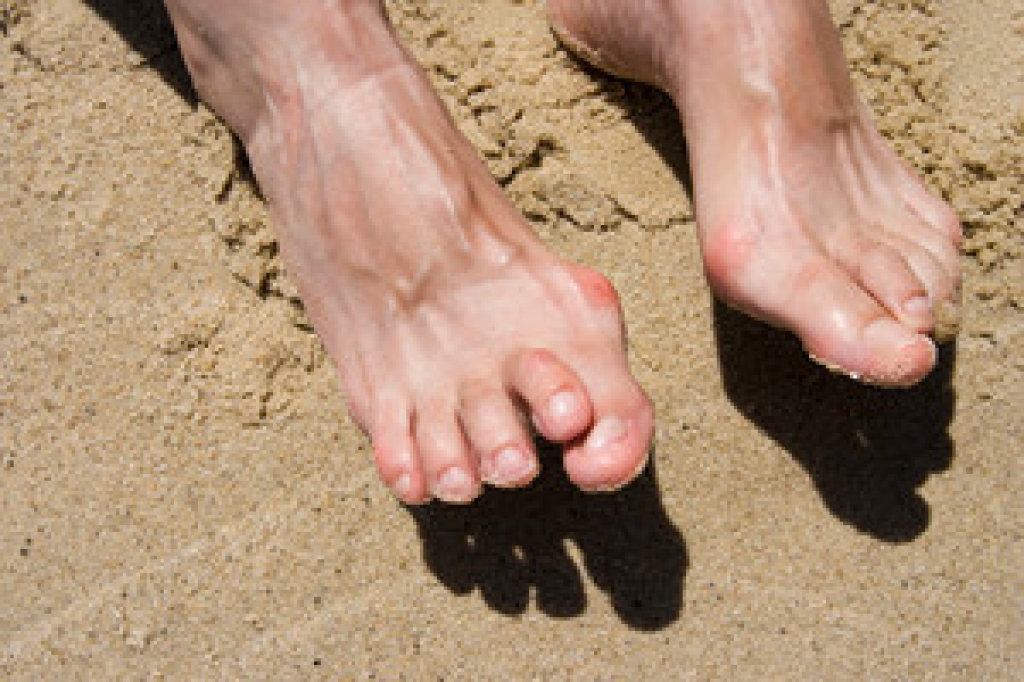
There are noticeable signs you may have a hammertoe. These can include the second toe bending in a downward direction, often resembling a hammer. Additionally, it may bend over the third toe, and it may be difficult to walk. This condition may be caused by genetic traits, or can come from wearing shoes that do not have enough room for the toes to move freely in. It is considered to be a deformity of the bones in the toes, and in severe cases, surgery may be required to permanently straighten the toes. In the beginning stages of hammertoe, mild relief may be found when larger shoes are worn that can accommodate the bent toes. Some patients find it beneficial to wear pads on the top of the affected toes, and this may help to prevent corns from developing. If you are afflicted with hammertoe, it is suggested that you speak to a podiatrist who can properly treat this condition. 

Hammertoe

Hammertoes can be a painful condition to live with. For more information, contact one of our podiatrists from Foot & Ankle Institue. Our doctors will answer any of your foot- and ankle-related questions.

Hammertoe is a foot deformity that affects the joints of the second, third, fourth, or fifth toes of your feet. It is a painful foot condition in which these toes curl and arch up, which can often lead to pain when wearing footwear.

Symptoms

  • Pain in the affected toes
  • Development of corns or calluses due to friction
  • Inflammation
  • Redness
  • Contracture of the toes

Causes

Genetics – People who are genetically predisposed to hammertoe are often more susceptible

Arthritis – Because arthritis affects the joints in your toes, further deformities stemming from arthritis can occur

Trauma – Direct trauma to the toes could potentially lead to hammertoe

Ill-fitting shoes – Undue pressure on the front of the toes from ill-fitting shoes can potentially lead to the development of hammertoe

Treatment

Orthotics – Custom made inserts can be used to help relieve pressure placed on the toes and therefore relieve some of the pain associated with it

Medications – Oral medications such as anti-inflammatories or NSAIDs could be used to treat the pain and inflammation hammertoes causes. Injections of corticosteroids are also sometimes used

Surgery – In more severe cases where the hammertoes have become more rigid, foot surgery is a potential option

If you have any questions, please feel free to contact one of our offices located in St. George, Hurricane, and Cedar City, UT and Mesquite, NV . We offer the newest diagnostic and treatment technologies for all your foot care needs.

Read more about What Are Hammertoes?

Possible Causes of Ingrown Toenails

When a toenail grows into the skin instead of over it, it is referred to as an ingrown toenail. The symptoms that are often accompanied with this condition can consist of tenderness, redness, and swelling. Common reasons for this condition to manifest may include wearing shoes that do not have adequate room for the toes to move freely in, cutting the toenail too short, or from an injury that has happened to the toe. Patients who have ingrown toenails that are not infected may find mild relief when the foot is soaked in warm water. This may enable you to gently move the nail away from the skin it has grown into. If you have developed this ailment, it is suggested that you consult with a podiatrist who can properly treat infected and uncomfortable ingrown toenails.

Ingrown toenails may initially present themselves as a minor discomfort, but they may progress into an infection in the skin without proper treatment. For more information about ingrown toenails, contact one of our podiatrists of Foot & Ankle Institue. Our doctors can provide the care you need to keep you pain-free and on your feet.

Ingrown Toenails

Ingrown toenails are caused when the corner or side of a toenail grows into the soft flesh surrounding it. They often result in redness, swelling, pain, and in some cases, infection. This condition typically affects the big toe and may recur if it is not treated properly.

Causes

  • Improper toenail trimming
  • Genetics
  • Improper shoe fitting
  • Injury from pedicures or nail picking
  • Abnormal gait
  • Poor hygiene

You are more likely to develop an ingrown toenail if you are obese, have diabetes, arthritis, or have any fungal infection in your nails. Additionally, people who have foot or toe deformities are at a higher risk of developing an ingrown toenail.

Symptoms

Some symptoms of ingrown toenails are redness, swelling, and pain. In rare cases, there may be a yellowish drainage coming from the nail.

Treatment

Ignoring an ingrown toenail can have serious complications. Infections of the nail border can progress to a deeper soft-tissue infection, which can then turn into a bone infection. You should always speak with your podiatrist if you suspect you have an ingrown toenail, especially if you have diabetes or poor circulation.

If you have any questions, please feel free to contact one of our offices located in St. George, Hurricane, and Cedar City, UT and Mesquite, NV . We offer the newest diagnostic and treatment technologies for all your foot care needs.

Read more about Ingrown Toenails

Plantar Warts Can Be Treated!

Plantar warts are small growths that develop on parts of the feet that bear weight. They're typically found on the bottom of the foot. Don't live with plantar warts, and call us today!

scroll to top