Blog

Causes of Sudden Ankle Pain Without Injury

Sudden ankle pain without a clear injury can be caused by several underlying conditions. Gout is one of the most common causes, characterized by sudden, intense pain, often in the joint of the big toe, but it can also affect the ankle. This condition occurs when uric acid builds up in the body, forming crystals that cause inflammation and pain. Arthritis, particularly osteoarthritis or rheumatoid arthritis, can also lead to sudden ankle pain, as the joint becomes inflamed and worn down over time. Achilles tendinitis is another potential cause, resulting in pain and swelling in the tendon at the back of the ankle. This condition is often triggered by overuse or strain, even without a specific injury. Flat feet can also contribute to sudden ankle pain by placing additional stress on the joints, leading to discomfort and inflammation. If your ankle hurts without an obvious reason, it is suggested that you contact a podiatrist who can determine what the reason is, and offer appropriate treatment solutions.

Ankle pain can have many different causes and the pain may potentially be serious. If you have ankle pain, consult with one of our podiatrists from Foot & Ankle Institue. Our doctors will assess your condition and provide you with quality foot and ankle treatment.

Ankle pain is any condition that causes pain in the ankle. Due to the fact that the ankle consists of tendons, muscles, bones, and ligaments, ankle pain can come from a number of different conditions.

Causes

The most common causes of ankle pain include:

  • Types of arthritis (rheumatoid, osteoarthritis, and gout)
  • Ankle sprains
  • Broken ankles
  • Achilles tendinitis
  • Achilles tendon rupture
  • Stress fractures
  • Tarsal tunnel syndrome
  • Plantar fasciitis

Symptoms

Symptoms of ankle injury vary based upon the condition. Pain may include general pain and discomfort, swelling, aching, redness, bruising, burning or stabbing sensations, and/or loss of sensation.

Diagnosis

Due to the wide variety of potential causes of ankle pain, podiatrists will utilize a number of different methods to properly diagnose ankle pain. This can include asking for personal and family medical histories and of any recent injuries. Further diagnosis may include sensation tests, a physical examination, and potentially x-rays or other imaging tests.

Treatment

Just as the range of causes varies widely, so do treatments. Some more common treatments are rest, ice packs, keeping pressure off the foot, orthotics and braces, medication for inflammation and pain, and surgery.

If you have any questions please feel free to contact one of our offices located in St. George, Hurricane, and Cedar City, UT and Mesquite, NV . We offer the newest diagnostic tools and technology to treat your foot and ankle needs.

Read more about Various Causes of Ankle Pain

All About Toe Fractures

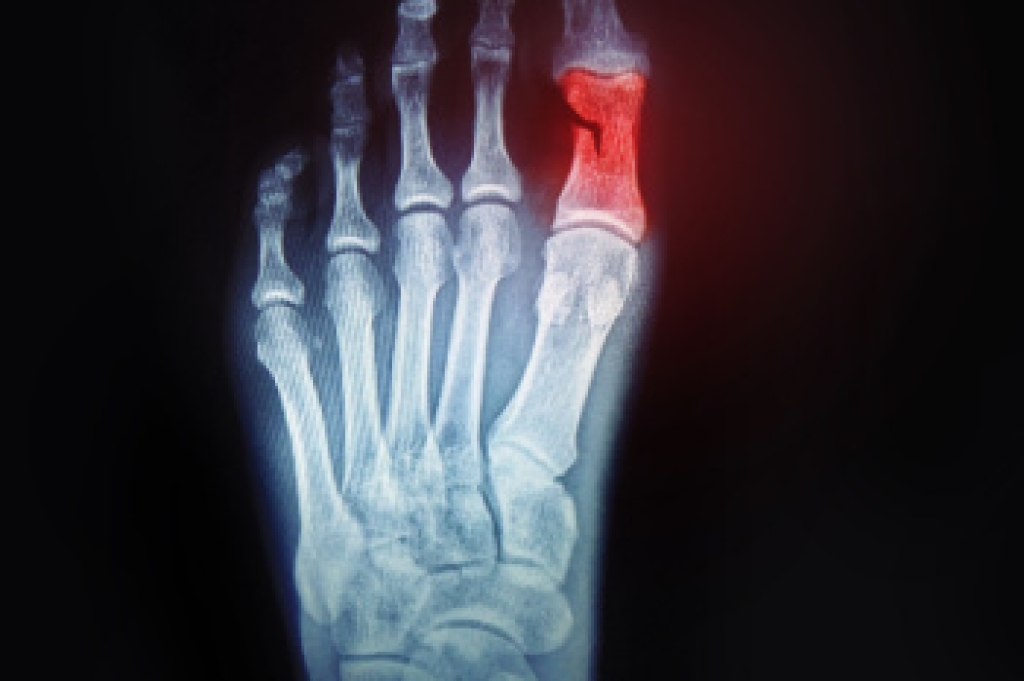
A toe fracture is a break or crack in one of the bones of the toe, typically caused by direct trauma or pressure. This injury often occurs due to stubbing the toe, dropping something heavy on it, or participating in activities that involve repetitive stress. The common signs of a toe fracture include pain, swelling, bruising, and difficulty moving or bearing weight on the affected toe. In some cases, the toe may appear misaligned or deformed. To diagnose a toe fracture, a podiatrist will perform a physical examination and may take X-rays to evaluate the extent of the damage. Managing the symptoms generally involves rest and  elevation. Mild pain relievers can help alleviate discomfort. For more severe fractures, immobilization through splinting or buddy taping is often used. In rare cases, surgery may be necessary to realign the bones and ensure proper healing. If you have fractured your toe, it is suggested that you contact a podiatrist who can properly treat this condition.

A broken toe can be very painful and lead to complications if not properly fixed. If you have any concerns about your feet, contact one of our podiatrists from Foot & Ankle Institue. Our doctors will treat your foot and ankle needs.

What to Know About a Broken Toe

Although most people try to avoid foot trauma such as banging, stubbing, or dropping heavy objects on their feet, the unfortunate fact is that it is a common occurrence. Given the fact that toes are positioned in front of the feet, they typically sustain the brunt of such trauma. When trauma occurs to a toe, the result can be a painful break (fracture).

Symptoms of a Broken Toe

  • Throbbing pain
  • Swelling
  • Bruising on the skin and toenail
  • The inability to move the toe
  • Toe appears crooked or disfigured
  • Tingling or numbness in the toe

Generally, it is best to stay off of the injured toe with the affected foot elevated.

Severe toe fractures may be treated with a splint, cast, and in some cases, minor surgery. Due to its position and the pressure it endures with daily activity, future complications can occur if the big toe is not properly treated.

If you have any questions, please feel free to contact one of our offices located in St. George, Hurricane, and Cedar City, UT and Mesquite, NV . We offer the newest diagnostic and treatment technologies for all your foot care needs.

Read more about What to Know About a Broken Toe

Causes and Signs of Infection on the Top of the Foot

Infections on the top of the foot can occur due to various causes, such as cuts, scrapes, or puncture wounds that introduce bacteria into the skin. Poor foot hygiene, underlying conditions like diabetes, or wearing tight shoes that cause blisters can also increase the risk of infection. The most common signs of infection include redness, swelling, warmth, and pain surrounding the affected area. There may also be visible pus or fluid discharge, indicating the presence of bacteria. Fever and chills can accompany more severe infections, signaling that the infection is spreading. If left untreated, infections on the top of the foot can lead to more serious complications, such as cellulitis or abscesses. If you have signs of an infection anywhere on your foot, it is strongly suggested that you promptly contact a podiatrist who can pinpoint the cause and offer effective treatment.

Foot Pain

Foot pain can be extremely painful and debilitating. If you have a foot pain, consult with one of our podiatrists from Foot & Ankle Institue. Our doctors will assess your condition and provide you with quality foot and ankle treatment.

Causes

Foot pain is a very broad condition that could be caused by one or more ailments. The most common include:

  • Bunions
  • Hammertoes
  • Plantar Fasciitis
  • Bone Spurs
  • Corns
  • Tarsal Tunnel Syndrome
  • Ingrown Toenails
  • Arthritis (such as Gout, Rheumatoid, and Osteoarthritis)
  • Flat Feet
  • Injury (from stress fractures, broken toe, foot, ankle, Achilles tendon ruptures, and sprains)
  • And more

Diagnosis

To figure out the cause of foot pain, podiatrists utilize several different methods. This can range from simple visual inspections and sensation tests to X-rays and MRI scans. Prior medical history, family medical history, and any recent physical traumatic events will all be taken into consideration for a proper diagnosis.

Treatment

Treatment depends upon the cause of the foot pain. Whether it is resting, staying off the foot, or having surgery; podiatrists have a number of treatment options available for foot pain.

If you have any questions, please feel free to contact one of our offices located in St. George, Hurricane, and Cedar City, UT and Mesquite, NV . We offer the newest diagnostic and treatment technologies for all your foot care needs.

Read more about Foot Pain

Do Your Child's Feet Hurt?

Have your child's feet been examined lately? Healthy feet are happy feet. If your child is complaining of foot pain, it may be a sign of underlying problems.

Managing Diabetic Foot Issues

Diabetic foot issues are a frequent complication of diabetes, often caused by poor circulation and nerve damage. These problems typically result from persistently high blood sugar levels. Symptoms can include numbness, tingling, pain, or a loss of sensation in the feet, as well as slow-healing cuts or sores. Without proper care, these issues can lead to serious infections or even amputations. The primary causes of diabetic foot problems include nerve damage, which makes it harder to feel injuries, and reduced blood flow, which impairs healing. Poor foot hygiene, wearing ill-fitting shoes, and untreated infections can also contribute. Treatment varies but often involves managing blood sugar levels, cleaning and dressing wounds, and wearing properly fitted shoes. A podiatrist may recommend custom orthotics, wound care, or even surgical interventions in severe cases to prevent further complications. If you are have diabetes, it is strongly suggested that you are under the care of a podiatrist who can help you to manage this serious condition.

Diabetic foot care is important in preventing foot ailments such as ulcers. If you are suffering from diabetes or have any other concerns about your feet, contact one of our podiatrists from Foot & Ankle Institue. Our doctors can provide the care you need to keep you pain-free and on your feet.

Diabetic Foot Care

Diabetes affects millions of people every year. The condition can damage blood vessels in many parts of the body, especially the feet. Because of this, taking care of your feet is essential if you have diabetes, and having a podiatrist help monitor your foot health is highly recommended.

The Importance of Caring for Your Feet

  • Routinely inspect your feet for bruises or sores.
  • Wear socks that fit your feet comfortably.
  • Wear comfortable shoes that provide adequate support.

Patients with diabetes should have their doctor monitor their blood levels, as blood sugar levels play such a huge role in diabetic care. Monitoring these levels on a regular basis is highly advised.

It is always best to inform your healthcare professional of any concerns you may have regarding your feet, especially for diabetic patients. Early treatment and routine foot examinations are keys to maintaining proper health, especially because severe complications can arise if proper treatment is not applied.

If you have any questions, please feel free to contact one of our offices located in St. George, Hurricane, and Cedar City, UT and Mesquite, NV . We offer the newest diagnostic and treatment technologies for all your foot care needs.

Read more about Diabetic Foot Care
scroll to top